






Working at sea is a career that can literally take you across the globe. We’re not talking about short trips between meetings, we’re talking: travelling the world, exploring new ports, islands and coastal towns. Just watch ‘Below Deck Mediterranean’!
In all seriousness, these are real jobs that exist thanks to a global maritime industry, that supports millions of people and keeps the world moving. It relies on both officers and hands-on crew to keep vessels running safely and efficiently. Modern shipping carries around 90 percent of the world’s traded goods, a share that has been consistent as global supply chains have expanded.
The wider maritime and ocean economy is even bigger. Data from the Organisation for Economic Co-operation and Development suggests the maritime sector supports about 100 million jobs worldwide across transport, ports, tourism, fisheries and coastal services. So if you’re looking for a career that connects you to an international work and travel network, this sector offers real opportunity.
One part of this world that is growing fast is cruise and passenger travel. The most recent 2025 data shows that the cruise sector carried around 37.7 million ocean-going passengers annually, with more than 310 ocean-going vessels operating worldwide. The yachting and charter boat sectors are significant and growing too, with the luxury and superyacht markets valued in the billions of dollars, attracting individuals who want to work on smaller, more personalised vessels.
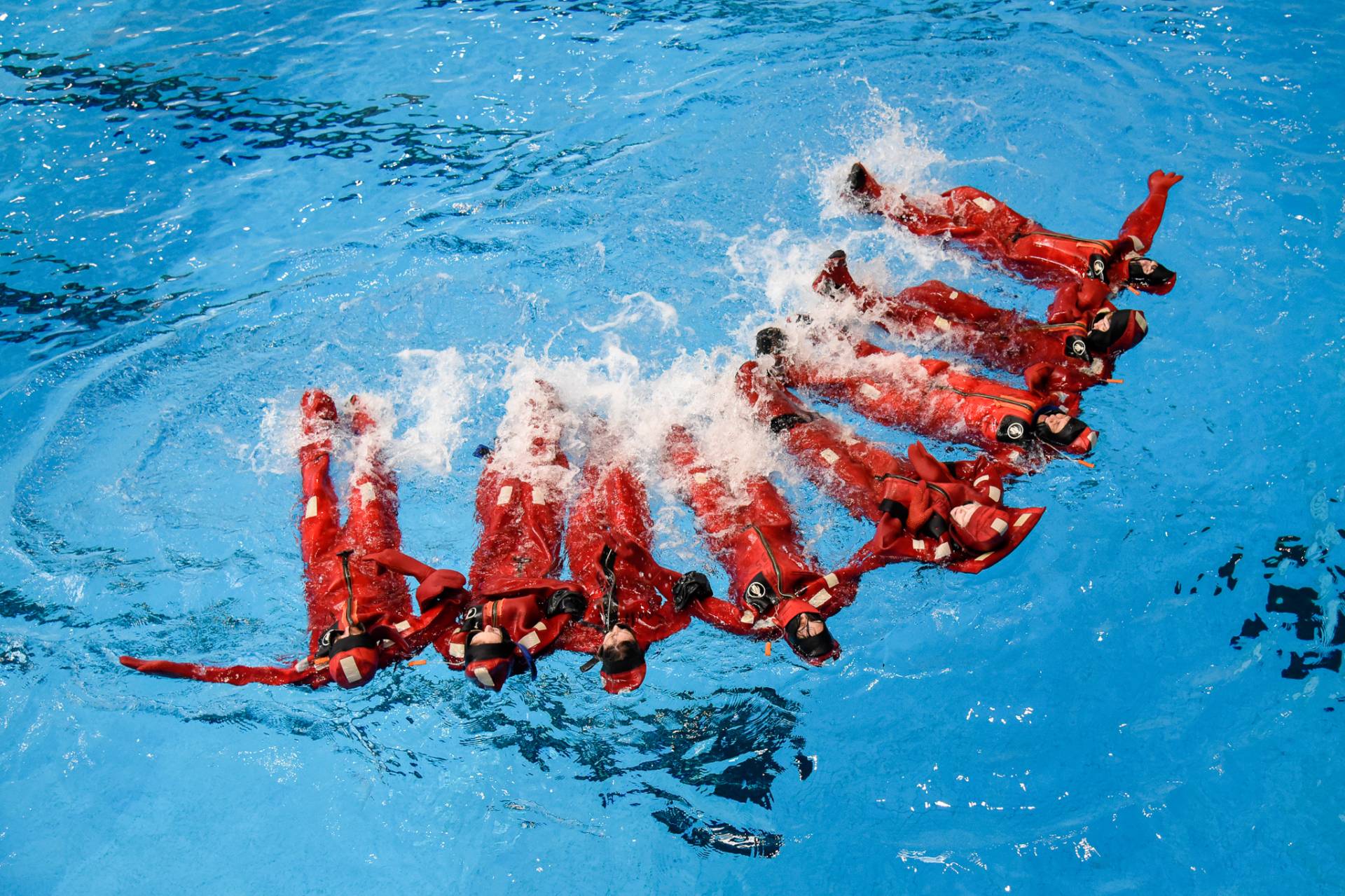
To begin your journey in this industry, one qualification is essential. Standards of Training, Certification and Watchkeeping for Seafarers (STCW) training sets out the basic safety and competency standards recognised around the globe. It gives you the skills that authorities and employers seek before you can work on commercial vessels. This includes survival training, emergency response, fire safety and first-aid skills. Once you have your STCW qualification, you can work on many different kinds of boats and ships, which opens a wider range of career opportunities.
Vertical Horizonz offers three core STCW courses that get you started or stay qualified. Our STCW Basic Training covers the core safety elements you need first. We also offer STCW Crowd Management and Passenger Safety if you want to work with people on board, and an STCW Refresher to renew your qualification when it comes up for revalidation. Each of these courses leads to an internationally recognised certificate, which shows you are qualified to work on vessels around the world.
People choose STCW training for many reasons. Some are drawn by the travel and adventure of working at sea. Some are curious about the industry and want a change from a routine desk job. Others find that the practical skills they learn, such as safety awareness, clear communication, calm decision-making and teamwork, are valuable whichever direction their career takes them.
There is also a real need for certified people. Parts of the maritime workforce are seeing fewer new entrants, which has increased the need for qualified crew with the right training and attitude.
If you are thinking about doing something a little more vibrant, unique and internationally connected, STCW training could be the place to start! Explore our course options to find what fits your goals and take that first step towards a career that could send you across the globe.
Sources:
Shipping and World Trade: Global Supply and Demand for Seafarers | International Chamber of Shipping
Over 100 million jobs depend on the ocean economy — here's where and why
State of the Cruise Industry Report 2025 | Cruise Lines International Association